
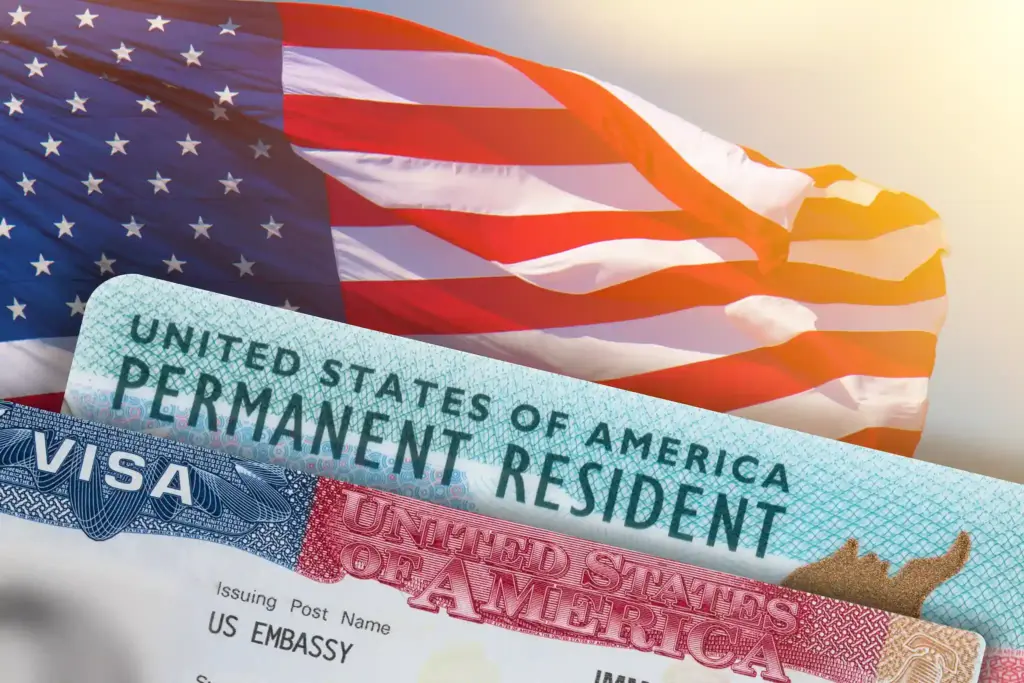
Obtaining a green card is a major achievement, and getting one through marriage is among the most common ways to do so. However, for many couples, this is only the first step. If you’ve been married for less than two years by the time your green card is approved, there’s a good chance you only received a conditional green card. To continue the immigration process and remain in the United States permanently, you must then complete the removal of conditions process.
Understanding how this process works and what is required will help you to avoid delays, denials, or, in the worst cases, loss of status.
Removal of Conditions: What Does It Mean?
When someone receives a marriage-based green card within the first two years of their marriage with a US citizen, it is issued on a conditional basis. This means the green card is valid for only two years rather than the usual ten, and this is intended to ensure that the marriage is legitimate and not simply someone trying to skirt around the system. Essentially, it means that the green card is conditional on the marriage itself.
To transition from a conditional resident to a lawful permanent resident, applicants must file Form I-751, Petition to Remove Conditions on Residence.
When to File for Removal of Conditions
Your timing is critical when beginning the process for the removal of conditions. Applicants filing jointly with their spouse must submit Form I-751 during the 90-day period immediately before the conditional green card expires. Failing to file on time can result in serious consequences, with the worst being the termination of your resident status and the initiation of removal proceedings.
In exceptional circumstances, late filings may still be accepted, but applicants must provide a valid explanation, and acceptance is far from guaranteed. To be safe, always try to file within the 3-month timeframe.
Filing Jointly vs Waiver Filing
Most applicants complete the removal of conditions process by filing jointly with their spouse. This method involves both parties signing and submitting the petition and all supporting documentation together.
However, there are certain situations where a joint filing is simply not possible. In these cases, individuals may request a waiver of the joint filing requirement.
Common examples of this include:
- Death of a spouse
- Divorce or annulment after a good-faith marriage
- Abuse or extreme cruelty
- Extreme hardship if removed from the United States
The United States Citizenship and Immigration Service (USCIS) allows applicants to file individually under these circumstances, provided, of course, that they can still demonstrate that the marriage was genuine.
Evidence Required to Prove a Bona Fide Marriage
One of the most important aspects of the removal of conditions is providing evidence that the marriage is or was real. USCIS evaluates whether the couple has built a life together and makes a decision based on their findings.
The most common forms of evidence you should provide include:
- Joint bank account statements
- Lease agreements or mortgage documents
- Utility bills with both names
- Tax returns filed jointly
- Photos and travel records
- Affidavits from friends and family
The goal of this is to show shared financial responsibilities and a genuine relationship between the two of you. Bear in mind that additional documentation may be requested if USCIS determines it needs more proof.
What Happens After Filing
After submitting Form I-751, applicants will receive a receipt notice that extends their resident status while the case is pending. During this time, USCIS may also require biometrics or schedule an interview.
In certain cases, these interviews may be waived if the documentation and proof of the relationship are sufficient. However, if there are any inconsistencies or if USCIS decides there is insufficient evidence, an interview may be required to further assess the relationship.
It’s also worth noting that processing times can vary rather widely, and it is not uncommon for cases to take many months or longer to complete.
Why Removal of Conditions Matters
Successfully completing the removal of conditions process results in a 10-year green card and full lawful permanent resident status. This is a vital step toward long-term stability in the United States and your eventual eligibility for US citizenship.
Failing to complete this step can easily put your immigration status at risk and lead to your removal from the country, so it’s essential to file both correctly and on time.
The removal of conditions process can be complicated and drawn out, especially in cases involving divorce, waivers, or any additional scrutiny by USCIS. Working with an experienced immigration attorney can help ensure your petition is properly prepared and supported by sufficient, strong evidence.
At Resendez Immigration Law, we’ve been through the process countless times, and we’re excited to help you take the next step toward permanent residency in the US.